Dental Implants Calabasas CA and the Path to a Healthier Smile
@danterzld525
September 29, 2026 · 15 min read
A missing tooth changes more than a photograph. It changes the way a person bites into an apple, the way words leave the mouth, and often the way someone carries themselves in a conversation. In practice, the emotional side tends to arrive quietly. Patients rarely walk in saying, “I have lost confidence.” They say they chew on one side now. They avoid steak. They cover their mouth when they laugh. Over time, those small adjustments become habits, and habits reshape daily life.
That is one reason dental implants remain such an important option for adults who want a stable, long-term replacement for missing teeth. When people search for Dental Implants Calabasas CA, they are usually looking for more than a procedure. They are looking for predictability, comfort, and a realistic path back to normal function. They want to know what treatment actually feels like, how long it takes, what can go wrong, and whether the investment will hold up over the years.
The honest answer is that implants can be life-changing, but they are not casual dentistry. They require careful planning, healthy tissue, good timing, and clear expectations. When all of those pieces line up, the result can feel remarkably close to having a natural tooth again.
Why tooth loss affects more than appearance
The visible gap is often the first thing people notice, but dentists think about what happens underneath the surface. A natural tooth root stimulates the jawbone every time a person chews. Once that root is gone, the bone in that area begins to shrink. Not overnight, and not always dramatically at first, but steadily enough that it matters. Over the years, bone loss can affect facial support, alter bite relationships, and make future treatment more complex.
Nearby teeth also respond to an open space. They may drift slightly. Opposing teeth can over-erupt into the gap. That can create bite imbalance, food traps, and uneven wear patterns that were not there before. In some cases, a person loses one molar and assumes it is a minor issue, only to find a few years later that the entire back bite feels unstable.
This is where implants occupy a special place in restorative care. Unlike a bridge, an implant does not rely on neighboring teeth for support. Unlike a removable partial, it is anchored in the jawbone. That design helps preserve bone and restores chewing force in a way that feels more secure for many patients.
What a dental implant really is
A dental implant is a small post, usually made of titanium or a similarly biocompatible material, placed into the jawbone where a tooth root used to be. Over several weeks to months, the bone bonds to the implant in a process called osseointegration. Once the implant is stable, a connector piece and custom crown are attached, creating the visible tooth replacement.
That sounds straightforward, and biologically it often is, but the planning matters as much as the placement. The best outcomes come from matching the implant to the bone that is available, the bite forces in that area, the health of the gums, and the shape of the final restoration. A front tooth demands different esthetic planning than a back molar. A long-time denture wearer poses different anatomical questions than someone who recently lost one fractured premolar.
A well-done implant should fit into the mouth as part of the whole system, not as a separate project.
The appeal of Dental Implants Calabasas CA for active adults
Calabasas is home to plenty of busy professionals, active families, and adults who expect their dental work to keep pace with real life. For many of them, convenience is not enough. They want durability, natural appearance, and a treatment plan that respects both health and schedule. That is why conversations around Dental Implants Calabasas CA often center on outcomes rather than just procedures.
An implant can help a patient return to ordinary habits without the daily compromises that missing teeth create. People notice it when they eat a salad without worrying about a removable appliance shifting. They notice it when they speak clearly in meetings. They notice it when the left and right sides of the mouth finally feel balanced again.
Still, one of the most useful things a dentist can do is slow the conversation down and separate marketing language from biology. Implants are excellent, but they are not instant for everyone. They require screening and, in some cases, preparatory treatment.
Who tends to be a good candidate
A healthy adult missing one tooth, several teeth, or even all teeth may be a candidate for implant treatment, but candidacy depends on more than desire. Gum condition, bone volume, medical history, smoking habits, and bite forces all influence the decision.
The strongest candidates usually share several traits:
- Healthy or treatable gums with no uncontrolled periodontal disease
- Adequate bone volume, or willingness to undergo grafting if needed
- Good general health, especially stable diabetes and no active healing disorders
- Consistent oral hygiene habits and regular dental follow-up
- Realistic expectations about timing, cost, and maintenance
There are important gray areas. A person with a history of gum disease can still receive implants if that disease is brought under control and carefully monitored. A smoker is not automatically excluded, but smoking raises the risk of delayed healing and implant complications. Someone with low bone in the upper back jaw may still qualify after sinus augmentation. These are judgment calls based on examination, imaging, and experience, not quick promises.
The planning phase is where success begins
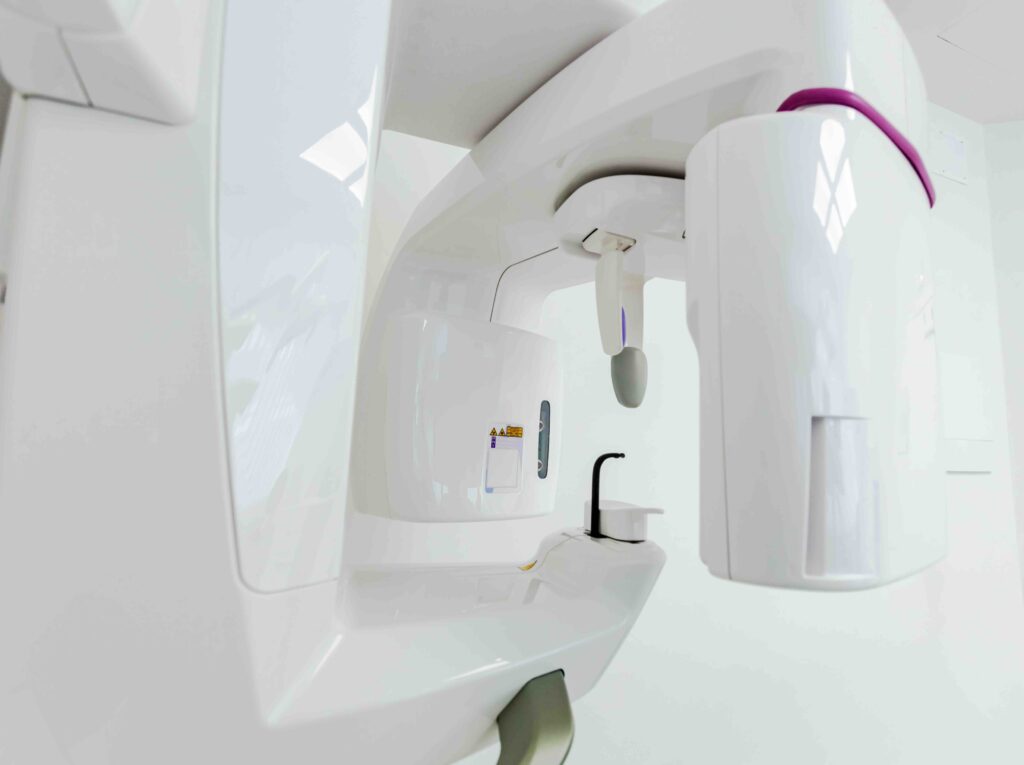
The public often focuses on the day the implant is placed, yet the more decisive work happens beforehand. A proper evaluation usually includes a comprehensive exam, digital imaging, and a close look at the bite. Three-dimensional scans have become especially valuable because they show bone width, height, angulation, and nearby structures such as nerves and sinus cavities. That information guides safe placement and reduces guesswork.
Aesthetic cases require even more care. A single missing front tooth is among the most demanding restorations in dentistry because tiny differences in gum contour, crown shape, and implant position are easy to see. When treatment is rushed or poorly coordinated, the result may function adequately but still look off. Patients notice that immediately.
The most satisfying implant cases often involve collaboration. The general dentist, oral surgeon or periodontist, and dental laboratory may all contribute to the plan. In complex full-mouth situations, that team approach becomes even more valuable because bite, jaw position, speech, and smile design are all in play at the same time.
What the process usually looks like
Every case has its own pacing, but the broad sequence tends to be consistent. If the failing tooth is still present, it may need extraction first. In some cases, an implant can be placed immediately after the extraction. In others, the site heals first, especially if there is infection, insufficient bone, or a tissue condition that benefits from delay.
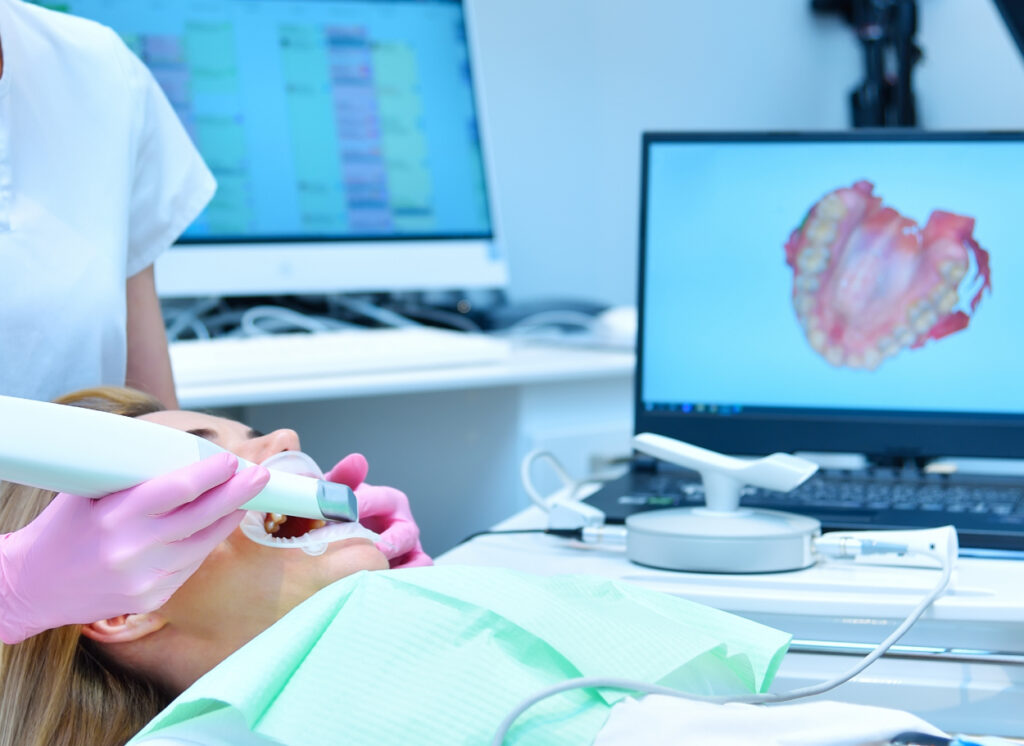
Once the implant is placed, healing begins. For many patients, the next phase is simply time. Bone needs an opportunity to integrate with the implant. Depending on the site and the patient’s healing profile, that may take a few months. After integration is confirmed, the restorative phase begins, and impressions or digital scans are used to create the crown, bridge, or implant-supported denture.
From the patient’s perspective, the biggest surprise is often that treatment is less dramatic than expected. Implant placement is surgery, yes, but many people report that it feels easier afterward than a difficult tooth extraction. Mild swelling and soreness are common. Severe pain is not what clinicians want to hear, because that can signal a problem.
Bone grafting and why it is sometimes part of the plan
Bone grafting tends to worry patients because it sounds like an extra obstacle. In reality, it is often the step that makes long-term success possible. If a tooth has been missing for a long time, or if there was infection or trauma, the jaw may not offer enough bone to securely hold an implant in the ideal position.
A graft adds or preserves volume. Sometimes it is performed at the same appointment as an extraction to limit collapse of the socket. Sometimes it is done months before implant placement to rebuild the foundation. Upper back teeth pose a special challenge because the sinus cavity can leave limited vertical bone. In that area, a sinus lift may be recommended.
This does add treatment time and cost, and patients deserve candor about that. But avoiding a needed graft simply to move faster can create a compromised implant position, thinner gum support, and a restoration that is harder to clean. Good implant dentistry is not about doing the minimum possible. It is about building something stable enough to last.
Single implants, multiple implants, and full-arch options
One missing tooth is the easiest scenario for people to picture, but implant treatment can extend far beyond that. Several missing teeth may be restored with individual implants or with an implant-supported bridge. For patients missing all teeth in an arch, a full-arch implant prosthesis may provide a fixed alternative to a removable denture.
These larger cases can be transformative. A patient who has spent years using adhesive on a lower denture often notices the difference immediately when the prosthesis is secured to implants. Eating becomes more predictable. Speech improves. Sore spots from denture movement can decrease. Yet full-arch treatment also demands more planning, greater financial commitment, and more attention to maintenance than many advertisements suggest.
The phrase “teeth in a day” gets attention, but it needs context. Immediate provisional teeth may be possible in select cases, especially when enough primary implant stability is achieved at placement. That does not mean the final restoration is completed in a day, or that every patient is a candidate for immediate loading. Temporary teeth still require dietary caution while healing takes place.
What recovery actually feels like
Most implant recoveries are manageable with local anesthesia during treatment and a combination of rest, cold compresses, and prescribed or over-the-counter medication afterward. Patients often prepare for a much harder recovery than they end up having. That said, the experience varies. A straightforward single implant usually feels very different from a full-arch surgery with extractions and grafting.
A few practical habits make the first several days much smoother:
- Eat soft foods that require minimal chewing, such as yogurt, eggs, soups, smoothies, fish, or pasta
- Avoid smoking and alcohol during the early healing period
- Follow cleaning instructions carefully, especially around the surgical site
- Take medications exactly as directed rather than waiting until discomfort escalates
- Call the office if swelling worsens after several days, or if bleeding and pain seem excessive
One common mistake is testing the area too soon. Patients feel better after a few days and start chewing on the healing site because it “seems fine.” That is not always harmless. An implant needs quiet stability during early integration, and repeated force can interfere with that process.
The cost question, and why simple price comparisons can mislead
Cost matters. It would be unrealistic to discuss implants without acknowledging that they represent a significant investment for many households. In Southern California, fees can vary widely based on the provider’s training, imaging, the need for grafting, sedation, the complexity of the restoration, and whether the quoted fee includes the crown, temporary prosthesis, or follow-up visits.
Patients sometimes compare one office’s implant fee to another without realizing they are not comparing the same package of care. One estimate may cover the implant post only. Another may include extraction, grafting, scan, abutment, and crown. Those differences matter.
The better question is not “Who is cheapest?” but “What is included, who is doing each phase, and how carefully is this being planned?” A low initial fee can become an expensive treatment if the implant is poorly positioned, difficult to restore, or prone to inflammation because cleansability was not considered.
Risks, complications, and the importance of honest expectations
No surgical treatment is free of risk. Implant dentistry has a strong track record, but success rates are not permission to treat it casually. Early failure can occur if an implant does not integrate. Late complications can include gum inflammation, bone loss around the implant, screw loosening, porcelain fracture, or bite-related overload.
One complication that deserves more public attention is peri-implantitis, an inflammatory condition that affects the tissues around an implant. It shares some features with periodontal disease and can lead to bone loss if left unmanaged. Patients with a history of gum disease, poor home care, heavy smoking, or inconsistent professional maintenance may face higher risk.
This is why follow-up care matters so much. The implant is not “done forever” the day the crown is placed. It needs monitoring, just like natural teeth need monitoring. In many practices, implant patients are placed on a stricter hygiene recall schedule at least initially, especially if they have a history of periodontal concerns.
How implants compare with bridges and dentures
A fixed bridge can be an excellent treatment in the right setting, particularly if the neighboring teeth already need crowns. It is often faster than implant treatment and may avoid surgery. The trade-off is that healthy adjacent teeth usually need to be reshaped to support the bridge, and bone in the missing tooth area still tends to resorb over time.
A removable partial or complete denture can restore appearance and some function with lower upfront Dental Implants Calabasas CA cost. For many patients, dentures remain a necessary and appropriate choice. But they can move, collect food, and place pressure on the gums rather than transmitting force into bone. That difference affects both comfort and anatomy over time.
Implants occupy the middle ground between biologic preservation and restorative strength. They usually require more time and investment up front, yet they may offer the most natural long-term experience when the case is suitable.
What to look for in an implant provider
Patients often ask whether they should see a general dentist, oral surgeon, or periodontist. The real issue is not title alone. It is training, case selection, communication, and the quality of the overall plan. Some general dentists place implants very skillfully. Some specialists focus almost entirely on surgical phases while coordinating with restorative dentists. What matters is that the team understands both the surgery and the final tooth.
When evaluating providers for Dental Implants Calabasas CA, it helps to pay attention to how the consultation feels. Are risks discussed clearly, or glossed over? Does the office explain alternatives, or only the most profitable path? Are they willing to talk through timing, healing, and maintenance without vague promises? Patients should feel educated, not rushed.
A strong provider will also discuss what happens if conditions are not ideal. Sometimes the best recommendation is to treat gum disease first, remove a failing tooth and graft the area, or postpone placement until health factors improve. That kind of restraint is usually a good sign.
The esthetic side people rarely think about until later
The public tends to assume that if an implant is functional, the cosmetic result will naturally follow. In visible areas of the mouth, it is not that simple. The contour of the gumline around an implant crown can determine whether the tooth blends beautifully or looks slightly artificial. Tissue thickness, smile line, the shape of neighboring teeth, and the position of the bone all matter.
A patient with a high smile line may show a great deal of gum tissue when smiling, which means even subtle discrepancies become noticeable. Someone with thin gum tissue may be more vulnerable to recession or to a grayish show-through if the implant is positioned too far facially. These details are why some front-tooth implant cases take longer to perfect than patients expect.
Patience usually pays off here. Temporary restorations can help shape soft tissue before the final crown is made. That extra step may feel tedious, but it often separates acceptable work from truly seamless work.
Living with implants year after year
Once integrated and restored, implants often become unremarkable in the best possible way. Patients stop thinking about them. They eat, speak, and brush without the old self-consciousness. But longevity depends on care. An implant crown cannot decay, yet the tissues around it can become inflamed if plaque accumulates. Night grinding can also stress implant Oaks Dental Dental Implants Calabasas CA components, especially in the back of the mouth.
Many long-term implant patients do well with three habits: consistent brushing and flossing or interdental cleaning, routine professional maintenance, and a nightguard if clenching or grinding is present. These are not glamorous recommendations, but they are the reason many implants remain stable for years.
A healthy smile is rarely the product of one heroic procedure. More often, it comes from a well-chosen treatment, done carefully, and supported by steady maintenance afterward. That is the real path forward for people considering Dental Implants Calabasas CA. The implant itself matters, of course, but the healthier smile comes from the larger process, thoughtful diagnosis, precise execution, healing, and the everyday habits that protect the result long after the appointments are over.
Oaks Dental
5000 Parkway Calabasas, Suite 308
Calabasas, CA 91302, United States
Phone: +1 (818) 412-8349
FAQ About Dental Implants Calabasas CA
How much does a dental implant cost in California?
Costs vary with the number of teeth replaced, restoration type, imaging, and any extractions or bone grafting. Request an itemized estimate after an examination; a single advertised price may not include every treatment stage.
Can people with autoimmune disease get dental implants?
Some people may qualify, but the condition, medications, oral health, and healing risks require individual assessment. Share your medical history with your dentist, who may coordinate with your treating physician.
Can you have dental implants if you have osteopenia?
Osteopenia does not by itself establish whether implants are suitable. Your dentist must evaluate jawbone support and review bone-related medications and other risks before recommending treatment.