How to Stay on Track With Invisalign in Calabasas CA
@danterzld525
November 24, 2026 · 14 min read

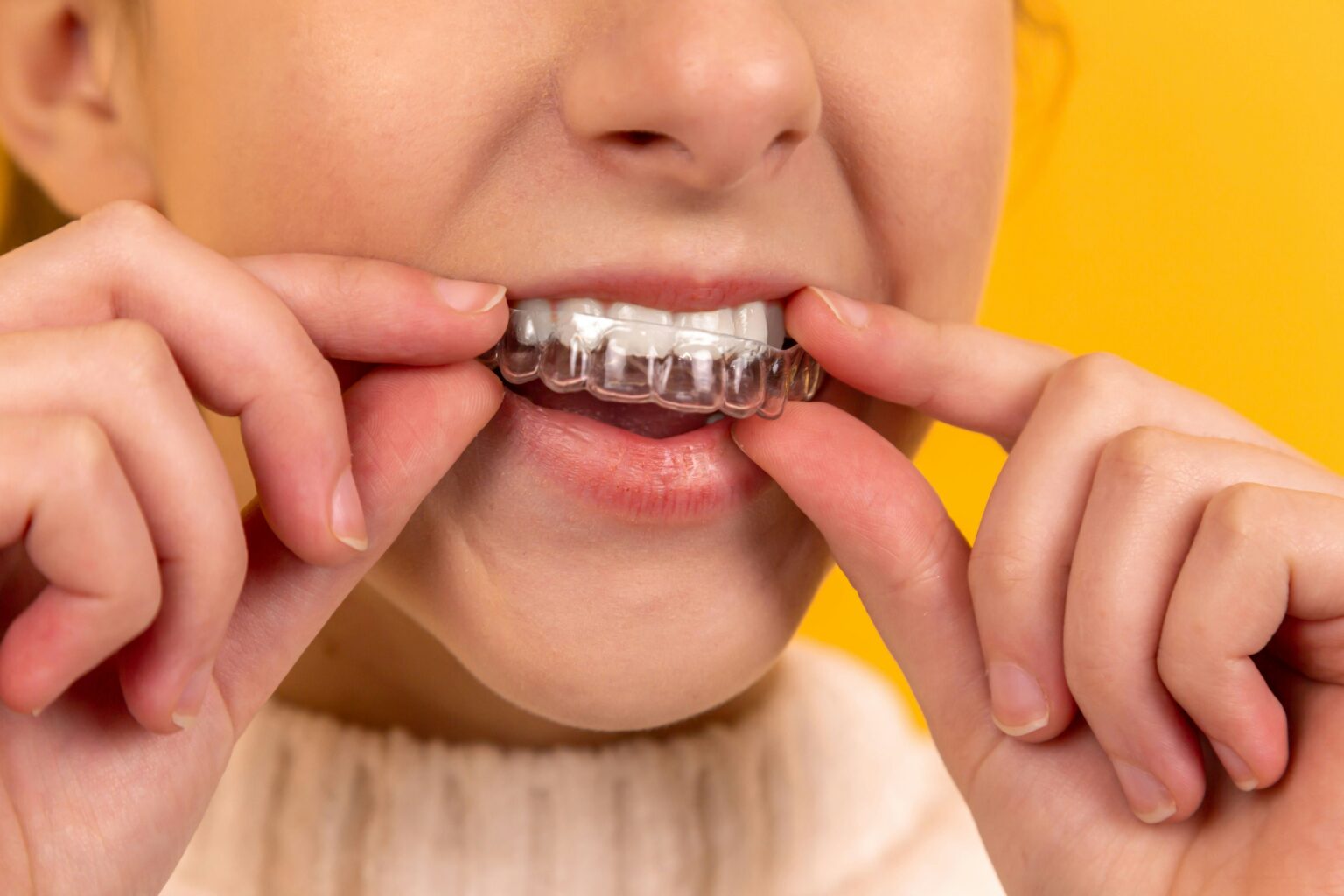

Starting Invisalign sounds simple on paper. You wear the trays, switch them on schedule, show up for check-ins, and wait for your smile to improve. In real life, staying on track takes more discipline than most people expect. The aligners are removable, which is exactly what makes them attractive and exactly what can make treatment drift off course.
That tension shows up all the time in busy communities like Calabasas. People are juggling school pickups, client meetings, workouts, social dinners, travel, and long commutes across Los Angeles. A treatment plan that depends on daily consistency can run into trouble fast when routines change from one day to the next. The good news is that most Invisalign setbacks are preventable. When patients understand where the friction points are, they usually do much better.
If you are considering Invisalign in Calabasas CA, or you have already started, the biggest factor in your result is not luck. It is compliance. Not perfect behavior every single day, but enough structure that your teeth keep moving on schedule instead of stalling.
What “staying on track” actually means
People often assume progress is measured only by whether the trays still fit. That is part of it, but not the whole picture. Staying on track means wearing aligners for the prescribed number of hours each day, usually around 20 to 22 hours. It means changing trays on the schedule your dentist or orthodontist recommends. It also means keeping attachments intact, using elastics if they were prescribed, and avoiding the small habits that seem harmless until they add up.
A patient can feel highly motivated and still fall behind. A common pattern goes like this: they remove their trays for coffee in the morning, leave them out while answering emails, put them back in late, then repeat the same thing at lunch. By the end of the day, they may be short by three or four hours without realizing it. That does not usually create a disaster in one day, but over a few weeks, the lag shows up in poor tray fit and slower tooth movement.
There is also a less obvious issue. Invisalign works best when force is steady. Teeth respond better to consistent pressure than to a stop-and-start routine. Think of it less like checking a box and more like keeping a train on its rails. The longer the train is off course, the more time and effort it takes to correct.
Why Calabasas lifestyles can make compliance harder
Calabasas has its own rhythm. There are early morning hikes, school and sports schedules, lunches on the go, entertainment work with unpredictable hours, and enough traffic to throw off anyone’s timing. Patients who thrive with Invisalign here usually build systems that travel well. They do not rely on ideal conditions.
A teenager with after-school practice may snack several times before getting home. An executive may have back-to-back meetings and skip the normal brushing routine. A parent may spend half the day in the car, moving from one errand to the next. None of that makes Invisalign a bad option. It simply means the practical side matters more than many people expect.
This is one reason experienced providers often spend time upfront discussing routine, not just teeth. A treatment plan lives or dies in the details of daily life. Someone who drinks coffee all morning, grazes on snacks, or frequently attends business dinners will need a different strategy from someone with a highly structured day.
The first month sets the tone
The first few weeks are usually the hardest. Speech may feel slightly off at first. Your mouth may produce more saliva. Taking trays in and out can feel awkward, and meal timing becomes more deliberate. Most people adapt faster than they think, often within a week or two, but those early habits matter.
Patients who drift during the first month tend to stay inconsistent. Patients who create a reliable routine early often finish with fewer refinements and less frustration. It is much easier to protect momentum than to recover it.
One practical truth that surprises people is that Invisalign rewards decisiveness. If you take the aligners out, eat, rinse, brush when you can, and put them back in promptly, the day stays simple. If you remove them casually and let “just a few more minutes” stretch into an hour, wear time disappears.
Build your day around wear time, not the other way around
The best Invisalign routines are not complicated. They are deliberate. Most successful patients anchor their tray use to meals and keep everything else as uninterrupted wear time. That usually means no random snacking and no sipping sugary or staining drinks for long periods with trays in.
You do not need to turn your life upside down. You do need to tighten the gaps where time gets lost. A patient who eats breakfast in 20 minutes, lunch in 30, and dinner in 40 is still in excellent shape if the trays go right back in. The trouble starts with extended coffee breaks, social grazing, or removing trays for convenience.
A simple daily framework helps:
- Take trays out only for meals and drinks other than plain water.
- Keep a travel case with you at all times so trays never end up in a napkin or pocket.
- Brush if possible, rinse at minimum, and reinsert the aligners promptly.
- Change to new trays at night, unless your provider gives different instructions.
- Track your hours for the first few weeks until the routine becomes automatic.
That list looks basic, but it covers the majority of real-world compliance problems. Most Invisalign treatment delays are not due to rare complications. They are due to trays spending too much time out of the mouth.
The hidden enemy is casual snacking
This is where otherwise careful patients often struggle. Traditional braces stay on regardless of what you do. Invisalign asks you to make repeated decisions throughout the day. Every snack becomes a choice: remove, eat, clean up, reinsert. People who snack frequently either reduce wear time or start taking shortcuts.
Shortcuts usually mean drinking beverages with sugar or acid while trays are in, or popping trays back in without cleaning the teeth. Neither is ideal. Liquid can seep under the aligner and sit against the teeth longer than normal. That increases cavity risk and can leave aligners stained or cloudy.
If you know you snack often, it helps to condense eating into fewer windows. This does not have to feel extreme. It just means being more intentional. Many patients naturally move toward three meals and maybe one planned snack because the convenience of steady wear outweighs the urge to nibble all day.
What to do about coffee, tea, and social meals
Calabasas patients ask about coffee constantly, and for good reason. Coffee is less a drink than a daily ritual for many adults. The issue is not only staining. Heat can warp aligners, and sugary coffee sitting under trays is not great for teeth.
A realistic approach is to remove the trays, drink your coffee within a defined window, rinse, and put them back in. If you are a slow sipper over two hours, that habit may need to change during treatment. I have seen patients make excellent progress simply by moving from “all morning coffee” to “coffee with breakfast.”
Social meals require a similar adjustment. If you have a long dinner, especially on weekends, plan for it instead of pretending it will be quick. You may wear your trays diligently all day to protect the total number of hours. One off-routine evening is manageable. A pattern of frequent extended wear breaks is what causes problems.
There is also the issue of alcohol. Clear aligners and cocktails do not mix well if the trays stay in. Anything sugary, acidic, or strongly colored is better enjoyed with the trays removed.
Travel can derail treatment unless you prepare for it
Travel is one of the most common reasons patients lose momentum. Flights, road trips, conferences, weddings, and family visits all disrupt routine. The difference between staying on track and falling behind often comes down to preparation.
The patients who handle travel well think a few steps ahead. They bring the current trays, the next set if the switch date is near, their case, cleaning supplies, and any elastics or chewies they use. They keep these items in a carry-on or purse, not packed in checked luggage. They also keep to local wear time even if the time zone changes.
One small but important point: if you are supposed to move to a new set during travel, ask your provider ahead of time whether that still makes sense if the current trays are feeling tight. Sometimes the better move is to stay in the current trays a little longer rather than forcing a switch when you do not have easy access to your dental office.
Tray fit tells a story
Patients often notice a problem before they know what it means. The tray feels springy in one area. There is a gap near the edge of a front tooth. An attachment is not engaging the plastic the way it used to. These are clues, not nuisances.
A little tightness after switching trays is normal. A tray that will not seat fully after several days, or one that suddenly feels wrong when previous sets were fitting well, deserves attention. Sometimes chewies help seat the tray more completely. Sometimes the problem is reduced wear time. Sometimes an attachment has come off, and the aligner is no longer delivering the intended force.
This is where judgment matters. Not every concern is an emergency, but waiting too long can turn a small issue into a bigger delay. If a tray is clearly not tracking, contact your provider. The fix may be simple, such as wearing the current set longer. The important thing is to address it early.
Attachments, elastics, and refinements are part of the plan, not a setback
Many people begin Invisalign thinking the trays alone will do everything. Then attachments are added, elastics are prescribed, or refinements come up near the end. Some patients interpret this as bad news. Usually it is just normal orthodontic mechanics.
Attachments are small tooth-colored shapes bonded to certain teeth to help the aligners grip and direct movement. They can feel slightly rough at first, but they are often what allows more precise correction. If one comes off, do not ignore it. Depending on the tooth and stage of treatment, it may matter quite a bit.
Elastics require another level of consistency. Patients who wear trays faithfully but skip their elastics often wonder why the bite is not improving as expected. It is the same compliance principle, just applied to a different tool.
Refinements are also common. Teeth do not always move exactly like software predicts, because biology is not software. Some patients need a short refinement phase to polish alignment or bite details. That is not failure. It is part of careful finishing. The best way to reduce the chance of extensive refinements is to stay highly consistent during the main phase of treatment.
Oral hygiene matters more than many patients realize
With removable aligners, people sometimes assume hygiene is easier than with braces, and in many ways it is. But Invisalign creates its own demands. If you place trays back over unclean teeth repeatedly, plaque has more opportunity to linger.
Good hygiene during treatment is not about perfection after every single meal. It is about lowering risk. If you can brush, brush. If you cannot, rinse thoroughly and brush as soon as practical. Clean the trays too. A cloudy, odorous aligner usually means routine care has slipped.
Patients in Invisalign Calabasas CA practices often do well with a compact travel setup. A toothbrush, small toothpaste, floss picks, and aligner case can fit almost anywhere. That one kit prevents a surprising number of compliance and hygiene lapses.
Teenagers, adults, and the motivation gap
Teens and adults usually struggle for different reasons. Teens may be more likely to forget trays, leave them at lunch, or misplace them during sports. Adults are often better at remembering but more likely to chip away at wear time through work meals, coffee habits, and social commitments.
Motivation also changes over time. At the beginning, people are excited. A few months in, the novelty disappears and treatment becomes maintenance. This is the stretch where routines matter most. You cannot rely on enthusiasm forever. You need systems.
For teenagers, parent involvement still helps, especially during the first few months. For adults, visual progress can be motivating. Taking a monthly photo in consistent lighting gives you something objective to look at when daily changes feel invisible.
If you lose a tray or fall behind, do not guess
When a tray is lost, many patients panic and make a random decision. They jump to the next set, go back to the old set, or stop wearing anything at all. The right answer depends on where you are in treatment, how many days you wore the current tray, and how the teeth are tracking.
That is why it is worth contacting your provider rather than guessing. In some cases, moving back to the previous tray temporarily is the safest choice. In others, advancing may be reasonable. Sometimes a replacement tray should be ordered. The point is that small timing decisions affect the rest of the sequence.
The same goes for falling behind. If you know your wear time has been inconsistent, be honest at the next visit. Providers can usually spot it anyway, and accurate information leads to better advice. Orthodontic treatment works best when patients and clinicians are solving the real problem, not pretending the routine has been perfect.
What patients who finish on time usually have in common
The people who complete treatment smoothly are not always the most disciplined in every part of life. They are simply the ones who reduce friction. They create habits that make the right action easy and the wrong action inconvenient. They know where their case is. They keep supplies nearby. They have a plan for long dinners, workdays, and travel.
They also accept a basic truth early: Invisalign is flexible, but it is not casual. You can live normally, eat what you want when the trays are out, and avoid the brackets and wires of braces. In return, you have to be responsible with wear time.
A few traits come up again and again:
- They treat tray wear as non-negotiable, not optional.
- They notice fit changes early and speak up.
- They adapt their eating and drinking habits instead of fighting the process.
- They prepare for disruptions like travel, school events, and work meetings.
- They stay engaged with check-ins rather than disappearing between visits.
Those are not glamorous strategies, but they work.
Choosing support that fits your life
Part of staying on track starts before the first tray. A provider who gives clear instructions, realistic expectations, and timely follow-up makes compliance much easier. Invisalign Calabasas CA That matters whether your case is mild or more complex.
When people search for Invisalign Calabasas CA, they often focus on convenience, appearance, and cost. Those are all legitimate concerns. But support should be high on the list too. You want a team that explains the process well, responds when a tray is not fitting, and understands that treatment has to function inside a real schedule.
A well-run Invisalign case is collaborative. The provider designs and monitors the movement. The patient supplies the daily consistency. Neither side can do the other’s job.
The goal is not perfection, it is steady progress
There will be imperfect days. You may have a wedding, a red-eye flight, a holiday meal that runs long, or a workday that gets away from you. One imperfect day rarely Invisalign Calabasas CA ruins treatment. What matters is the pattern that follows. Patients who recover quickly from off days usually stay on course. Patients who let one lapse turn into a week of “I’ll do better tomorrow” often end up needing more time than planned.
The smartest mindset is not rigid, it is resilient. Know the rules, respect the biology, and return to the routine quickly when life gets messy. That is how most successful Invisalign patients move through treatment in the real world.
A straighter smile is built in quiet increments. Twenty-two hours today. A tray change on schedule next week. A quick message when something feels off. Month by month, those ordinary choices become visible results.
Oaks Dental
5000 Parkway Calabasas, Suite 308
Calabasas, CA 91302
(818) 643-6521
FAQ About Invisalign Calabasas CA
How many hours a day should I wear Invisalign?
Clear aligners are typically worn for 20 to 22 hours a day. Follow your dentist’s instructions for your specific treatment plan.
What age is best for Invisalign?
Many teens and adults can use clear aligners. A dentist can assess dental development, oral health, and the type of tooth movement needed.
What affects the cost of Invisalign in California?
Cost depends on the complexity and length of treatment and what the quoted plan includes. Ask for an itemized estimate and check any orthodontic coverage with your insurer.